
Home » Patient Journey

In an ideal world, as with all surgeons and in line with good medical practice, access to a specialist like Graham would come via your GP. However, in today’s healthcare environment, it can be difficult to get a GP appointment for referral, and the General Medical Council (GMC) recognises this. For that reason, you are welcome to self-refer and book directly into one of Graham’s clinics.
The initial consultation is your opportunity to speak openly with Graham about what’s concerning you. You’ll have time to explain your symptoms or concerns, whether they are physical (such as neck or back pain from large breasts, skin irritation from excess skin, or chronic rashes like intertrigo), or emotional and psychological (such as body image or self-esteem challenges). You are encouraged to ask any and all questions you may have.
Following this discussion, Graham will make a diagnosis and, if appropriate, outline a treatment plan. If the desired outcomes are considered achievable and reasonable, surgery dates can be discussed. Some patients prefer to wait until the second consultation before making a decision, which is absolutely fine.
Occasionally, issues may be more complex than first expected. In these cases, additional time and consultations may be required to ensure every aspect of your care is properly considered and understood.
It is very important to Graham that he meets with you on two occasions prior to any surgery, to ensure you are fully informed and supported throughout the decision-making process.
As part of your care, Graham will always write to your GP following your initial consultation, which is considered good medical and surgical practice, and will request access to your medical records with your permission. You will receive a copy of this letter, along with detailed information sheets about the proposed procedure. These resources are there to support you in preparing for your second consultation.
This second meeting gives you the chance to revisit anything discussed previously, ask more detailed questions, and confirm that you fully understand the benefits and risks of surgery. Graham wants to ensure you feel completely confident before proceeding.
For many patients, surgery addresses physical medical issues such as pain, rashes, or impaired mobility, rather than purely cosmetic concerns. In some cases, there may also be a psychological or emotional component. Because of this, Graham often asks patients to complete a psychological screening form after the first consultation. Occasionally, a further psychological assessment may be required, depending on the nature of your concerns and the procedure under consideration.
Procedures like breast reduction or body contouring after major weight loss are not simply cosmetic treatments. These surgeries are often sought to relieve chronic physical discomfort and improve quality of life. For example:
Graham takes these concerns seriously. His approach is based on clinical need, careful assessment, and compassionate care, rather than appearance alone.
Avoid aspirin as it can make you bleed more.
Reduce your Body Mass Index (BMI) to less than 30 or ideally more to help reduce your risk of complications.
You should reduce or ideally stop smoking.
Graham will check with your GP regarding any medical conditions that you may have and take precautions to help safeguard your health during and after surgery, if required.
Safety is a priority (Graham’s work is part of the Yearly National BAAPS audit).
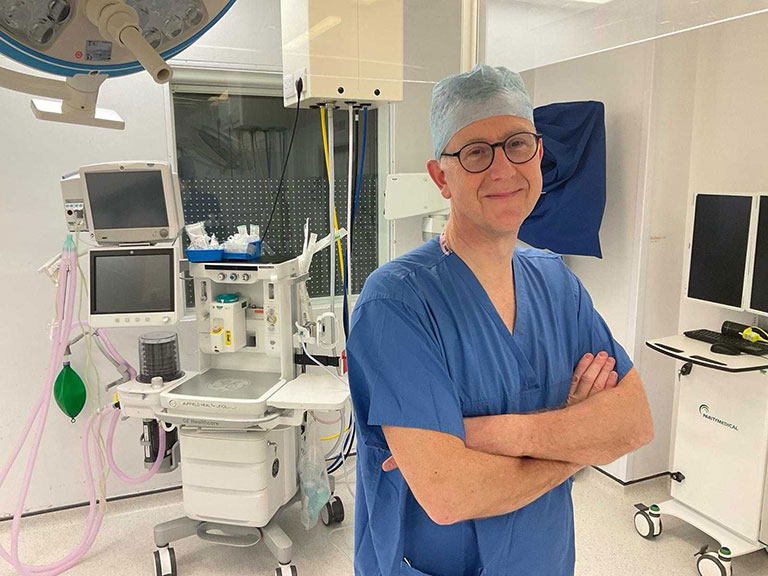
Graham works with the same highly experienced and professional Consultant Anaesthetists.
Your care doesn’t finish after surgery, Graham and his team are committed to supporting you throughout your recovery.
After surgery, Graham will visit you postoperatively and usually each morning if you are staying overnight. Before you are discharged from hospital, you’ll be given clear post-operative instructions to help guide your recovery at home.
Follow-up care for your wounds, such as dressing changes, will be carried out by the outpatient nursing team or occasionally by Graham himself, depending on your specific needs.

Graham will see you again following your procedure at his outpatient clinic a few weeks later, with the exact timing tailored to your procedure.
You are, of course, welcome to contact the hospital or Graham’s office at any time if you have concerns, need advice, or would like to be seen earlier than your scheduled appointment. Your peace of mind and comfort are always a priority.

x Avoid Aspirin as this medication can reduce blood clotting and can increase the risk of surgical procedures.
x Stop smoking four to six weeks before surgery – and remaining smoke-free thereafter – to reduce complications and improve postoperative recovery time.
✓ Eat a healthy and well-balanced diet to improve your recovery.
✓ Make Graham aware of any medical conditions that you may have. He will always check with your GP and take precautions to safeguard your health during and after your surgery.
✓ Exercise gently as per instructions to aid recovery. Graham will ensure his patients are informed on what exercises to practice and when they can go back to exercising as normal.

Every surgery carries some risk, but you’ll be fully supported and protected throughout your journey with Graham Offer. Patient safety, clear communication, and ethical care are central to everything he does.
If you’re self-funding, it’s important to understand that post-operative care and complication cover can vary depending on the hospital. Graham operates at Spire Leicester, Nuffield Leicester, Spire Nottingham, Woodland Hospital Kettering and GibMed International Hospital in Gibraltar, each with its own policies in place.
You’ll receive all of the relevant hospital information and policy details alongside your quote, so you can make a well-informed decision. If an acute complication such as bleeding or infection occurs after surgery, treatment will be covered by the hospital and you won’t face any additional charges.
Graham and his team are here to guide you every step of the way, ensuring that you feel confident, informed, and supported before, during, and after your procedure.